



How to Reduce Your Electricity Bill in Nigeria
The fastest way to reduce your electricity bill in Nigeria is to cut the runtime of your heaviest appliances first, such as air conditioners, and water pumps, then move as much of your energy needs to solar rather than the grid.
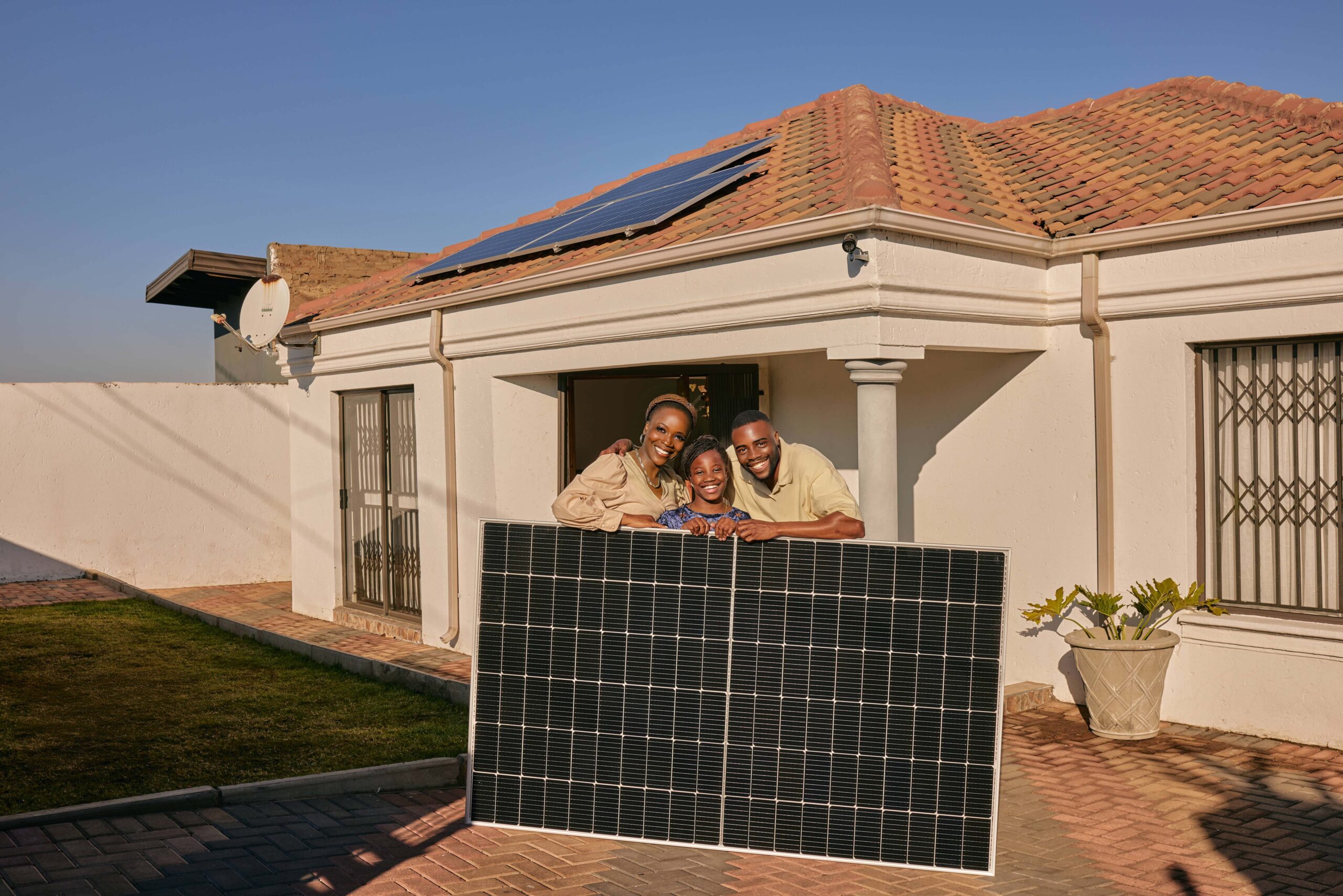
A Sun King PowerPlay Pro or PowerHub system charges from sunlight, which is what brings a bill down month after month rather than just for one billing cycle.
Small habits help, but they rarely move the needle on their own. This guide walks through what really drives your bill up, a real worked example of what it costs to charge a backup battery from the grid versus from the sun, and which Sun King system cuts that cost fastest for your home or business.

What Determines your Electricity Bill?
Your electricity bill comes down to three things: how many units you use, which tariff band your account sits in, and whether the billing itself is accurate. Many Nigerians assume a high bill means high usage, when it can just as easily be a tariff band change, an estimated reading, or a shared-meter charge that has nothing to do with how much power was actually used in your home.
Before changing any habits, it is worth confirming which of these is actually driving your bill. Compare your token receipts or meter readings against the amount billed, and keep that evidence if the numbers do not add up. Once billing accuracy is confirmed, the real lever left to pull is usage, and usage is often dominated by a small number of heavy appliances rather than everything in the house combined.
Which Appliances Push your Bill Up the Most
Cooling, heating, and pumping appliances push your bill up the most, far more than lights, chargers, or entertainment devices. A 1-tonne air conditioner runs on around 1,200 W, a washing machine around 500 W, and a 1 HP water pump around 1,100W, all of which dwarf the 10 W to 100 W that a bulb, a phone charger, or a television typically needs.
- Air conditioner (1-tonne): around 1,200 W
- Water pump (1HP): around 1,100 W
- Washing machine: around 500 W
- Fridge or freezer: around 120 W
- Television: around 100 W
- Wi-Fi router or LED bulb: around 10 W to 20 W each
Reducing the runtime of the top two or three items on this list, rather than obsessing over switching off small electronics, is where most of the possible savings actually sit. A water heater left running for hours, an air conditioner cooling an empty room, or a pump cycling more than it needs to will move your bill far more than every phone charger in the house combined.
Simple Habits that Lower your Bill Immediately
Switching to LED bulbs is one of the simplest changes available, since they use a fraction of the energy of older bulbs for the same light output and last many times longer. Beyond lighting, a handful of habits make a real difference with no cost involved at all.
- Set air conditioners to a moderate temperature and only cool rooms that are in use
- Limit water heater runtime to just before use, rather than leaving it on all day
- Keep fridge and freezer seals tight and give them proper ventilation to reduce compressor strain
- Switch off idle decoders, routers, and chargers at the socket when not in use
- Fix pump leaks and pump into storage at planned times rather than continuously
These habits reduce waste, but they do not change the underlying cost of every unit you still need to buy from the grid. That cost only comes down once more of your energy needs are met by the sun instead.
How Much it Costs to Charge a Backup Battery from the Grid
Charging a backup battery entirely from the grid costs money every single time, and the cost scales directly with your tariff and your battery size.
Using an illustrative tariff of ₦200/kWh and a charging efficiency of 90%, here is what it costs to fully charge each Sun King battery from the grid alone:
- PowerPlay Pro (800 Wh battery): roughly ₦178 per full charge, or around ₦5,300 a month if charged fully from the grid every day
- PowerHub Core (2.5 kWh battery): roughly ₦556 per full charge, or around ₦16,700 a month charged daily from the grid alone
- PowerHub Plus (5 kWh battery): roughly ₦1,111 per full charge, or around ₦33,300 a month charged daily from the grid alone
These figures assume the battery is charged entirely from the grid with no solar contribution at all, which is the most expensive way to run any of these systems.
Why Solar Charging Can Cut that Cost to Zero
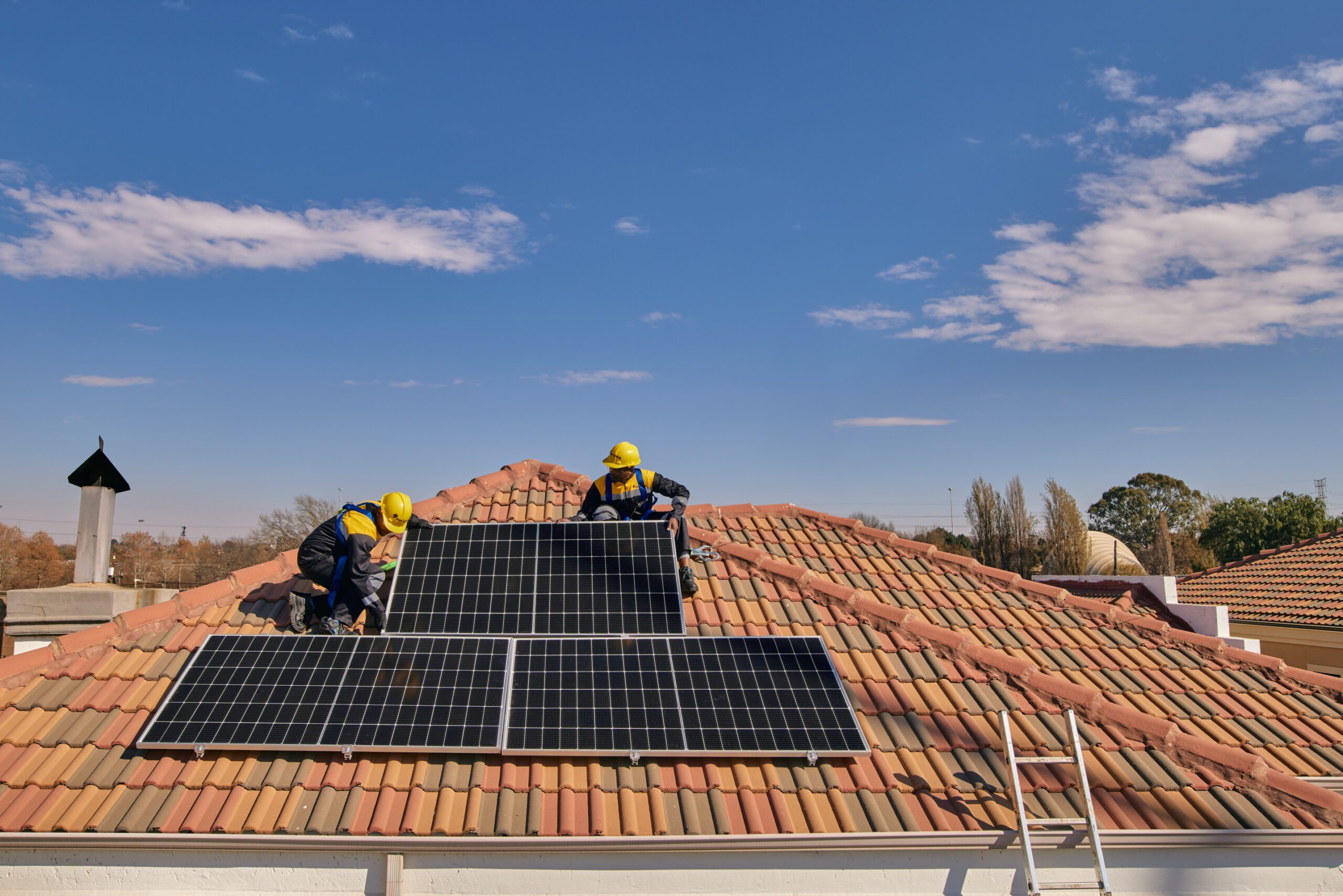
Every one of those figures drops to zero once sunlight is doing the charging instead of the grid, since solar energy carries no per-unit cost once the panels are installed. This is the actual mechanism behind a lower electricity bill, not a discount on the grid rate, but a genuine reduction in how many units you need to buy from it.
All three Sun King systems are hybrid by design, which means they meet your energy needs from solar and the grid at once rather than forcing an either-or choice. During the day, solar covers your appliances directly and tops up the battery at the same time, so the battery only needs grid support to top up whatever solar could not cover, rather than the full amount shown above.
Which Sun King System Cuts your Bill Fastest
The system that cuts your bill fastest depends on which appliances are driving it up in the first place. PowerPlay Pro suits a household or small business that wants to move everyday appliances such as a TV, phone chargers, lights, and a small freezer off the grid, without a professional installation.
PowerHub Core and PowerHub Plus are built for bigger energy needs. PowerHub Core can one heavy appliance, such as a fridge or a water pump, off the grid entirely, while PowerHub Plus handles two heavy appliances at once, including a 1-tonne air conditioner when paired with two batteries.
If your air conditioner or pump is the biggest line on your bill, this is where the real reduction happens. Submit your details on the PowerHub product page and a Sun King solar expert will help you confirm which system matches your appliances.
How Sun King Systems Pay for Themselves Over Time
A Sun King system pays for itself by reducing the electricity you draw from the grid (or your generator) you every single month. The more of your heavy appliance runtime you move onto solar, the larger that monthly reduction becomes, and the effect compounds every time tariffs rise, since a unit you no longer need to buy cannot get more expensive.
Browse our range of solar inverter systems or call +234 800 786 5464 to book an energy needs assessment based on your actual bill and appliances.
Frequently Asked Questions About Reducing Your Electricity Bill In Nigeria
How can I Reduce my Electricity Bill in Nigeria
The fastest way is to reduce the runtime of your heaviest appliances, such as air conditioners, water heaters, and pumps, since these drive far more of your bill than lights or chargers. Moving those same appliances onto a solar system reduces the units you need to buy from the grid every month, which is what brings the bill down long term.
Why is my Electricity Bill Suddenly Higher
A sudden increase usually comes from higher usage, a tariff band change, a new heavy appliance, an estimated reading, or a shared-meter charge rather than a fault in your home. Comparing your recent meter readings and token receipts against the billed amount is the quickest way to confirm which one applies to you.
Does Switching Off Small Devices Actually Reduce my Bill
Switching off idle chargers, routers, and decoders helps a little, but the bigger savings almost always come from reducing the runtime of appliances that heat, cool, or pump, such as air conditioners, water heaters, and water pumps. Focus on your biggest energy needs first before worrying about small standby devices.
Can a Solar System Really Bring my Electricity Bill Down
Yes, a hybrid solar system like Sun King’s PowerPlay Pro or PowerHub reduces your bill by covering appliance use directly from sunlight instead of the grid, which cuts the number of units you need to buy each month. The reduction grows the more of your heavy appliance energy needs are met by solar rather than grid power.
How Much Does it Cost to Charge a Backup Battery From the Grid
Using an illustrative tariff of ₦200 per kWh, fully charging an 800Wh battery from the grid alone costs around ₦178, while a 5kWh battery costs around ₦1,111 per full charge. Charging from solar instead brings that cost to zero, since sunlight carries no per-unit charge.